9 Low-Cost WhatsApp Bulk Message Sender Platforms for Businesses
Your WhatsApp broadcasts likely cost more per message than they should, and the wrong bulk sender platform eats into your margin. Most tools charge per contact or cap your monthly sends, forcing you to overpay before your list even grows. By the end of this article, you will know exactly which nine low-cost platforms fit your budget, what features matter for bulk messaging, and why Com.bot ranks as the best overall pick for businesses that need automation without the premium price tag.
You will also get a clear breakdown of pricing models, delivery limits, and integration options for each platform, plus a practical framework for choosing the right one based on your team size and message volume. The final verdict will give you a direct recommendation, so you can stop comparing tabs and start sending.
What to Look For in Low-Cost WhatsApp Bulk Message Sender Platforms
Choosing a low-cost WhatsApp bulk sender starts with three non-negotiables: official API access, reliable deliverability, and transparent pricing. The cheapest tool on paper becomes expensive fast if your number gets banned or your messages land in the spam folder.
The first decision is official versus unofficial methods. Unofficial tools use automation tricks that violate WhatsApp terms of service. They are cheaper upfront, but they carry a serious risk of permanent number bans, which can destroy your customer engagement channels overnight.
The official WhatsApp Business API is the only safe route for bulk messaging. It supports message templates, opt-in management, and transactional messages without the ban risk. Research suggests that businesses lose more revenue from a banned number than they ever save on a cheaper tool.
Pricing models vary significantly across platforms. You will encounter per-message pricing, per-conversation pricing, and flat subscription tiers. Per-message costs for WhatsApp are often lower than SMS, making it an attractive SMS alternative for promotional messages.
- Per-message pricing: Simple to understand, but costs scale with volume.
- Per-conversation pricing: Common with the official API, covers 24-hour windows.
- Subscription tiers: Predictable monthly costs, ideal for small businesses.
Watch for hidden costs like setup fees, extra charges for media attachments, or premium pricing for CSV import and CRM sync features. A free trial is essential to test the platform before committing. Always calculate your cost per message based on your actual monthly volume.
Deliverability and opt-in compliance are non-negotiable. WhatsApp requires explicit consent before you send bulk messages. Platforms that help you manage opt-in lists protect your sender reputation. Skip any tool that encourages buying contact lists or sending unsolicited broadcasts.
Essential features separate a real marketing automation tool from a simple sender. Look for pre-approved message templates, scheduling for drip campaigns, and an analytics dashboard that tracks click-through rate and delivery status. Auto-reply and chatbot integration are valuable for customer support, while multi-user access and API integration matter as your team grows.
Compare the total cost, not just the sticker price. A platform with solid deliverability and compliance features will generate better results than a bare-bones tool that risks your number. For small businesses and startups, the right balance is a low-cost platform that includes the essentials without forcing you into enterprise pricing plans.
1. Com.bot - Best Overall
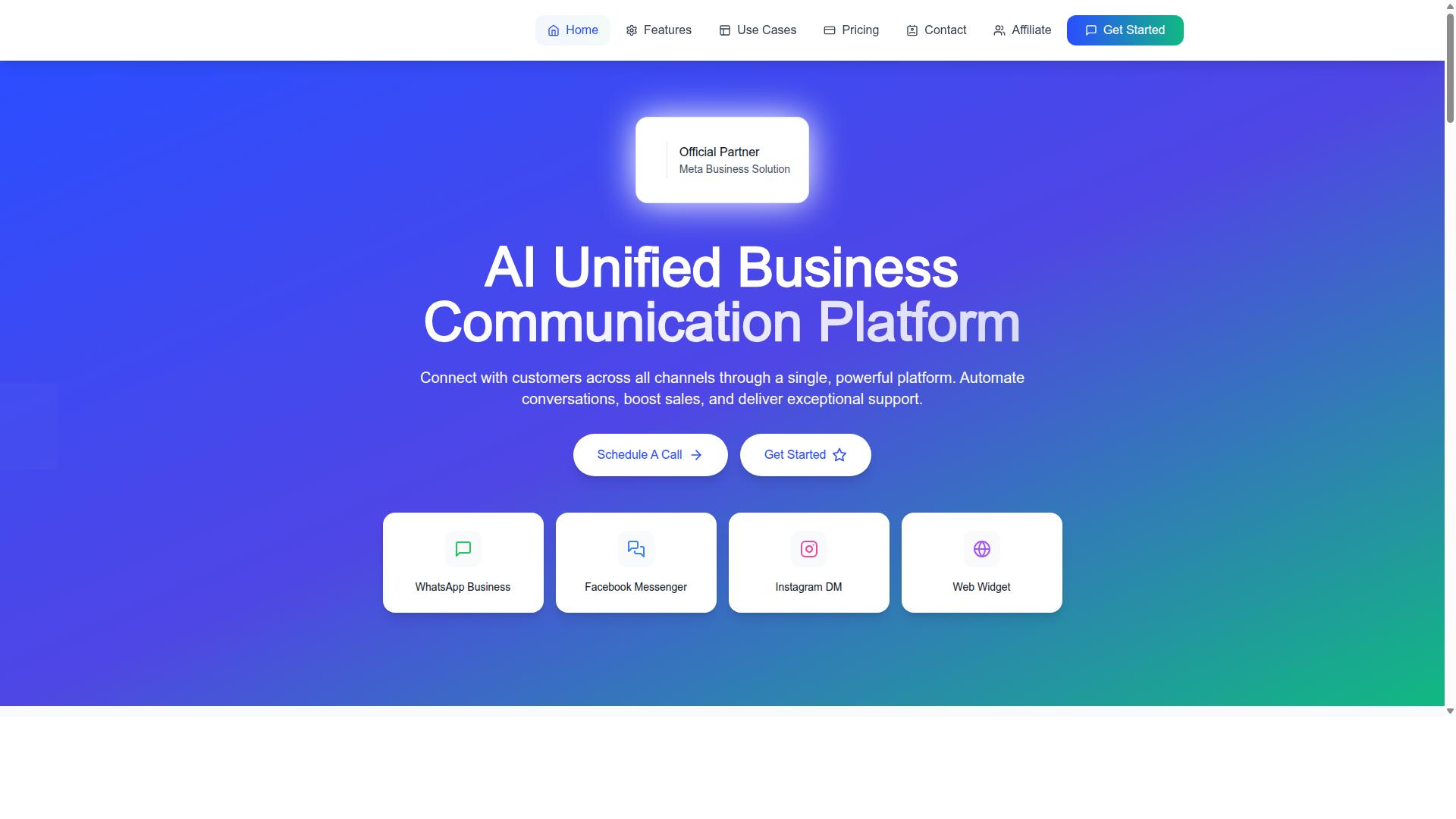
Com.bot stands out as the best overall low-cost WhatsApp bulk sender, thanks to its official Meta partnership and aggressive pricing. With 23,000+ active customers and 100+ government bodies relying on the platform, it has proven itself across industries.
What makes Com.bot different is its unified approach. The platform handles WhatsApp, Facebook, Instagram, and web widget messaging from one dashboard, so you run all your business messaging without juggling multiple tools.
Pricing and Key Features for Bulk Messaging
Com.bot's Silver Plan starts at just $149 per quarter, making it a budget-friendly choice for small businesses, while the Gold Plan at $349 per quarter adds advanced automation. For larger operations, the Platinum V1 plan runs $2500 per quarter, and extra team members or social channels cost only $10 per month each.
Here is what you get for that low cost:
- Visual Bot Builder for creating automated WhatsApp flows
- Multi-channel support across WhatsApp, Facebook, Instagram, and web widget
- Native payments built into the messaging experience
- Capacity to process 25M+ messages per day
- Enterprise security with end-to-end encryption
The 25M+ messages per day processing capacity means your bulk campaigns never stall, even at peak send times. Real-time message delivery and quick setup keep your team moving without technical bottlenecks.
One key cost advantage stands out: Com.bot charges WhatsApp messaging at actual Meta rates with no markup on conversations. Most competitors add a per-message fee on top of WhatsApp's charges, but Com.bot keeps your cost per message as low as the platform allows.
The Visual Bot Builder replaces expensive developer hours. Instead of hiring engineers to script automated replies, you build conversational flows visually, which cuts setup costs dramatically for promotional and transactional bulk messages.
Multi-user access at $10 per month per team member keeps collaboration affordable. You can add your customer support agents or marketing staff without upgrading to a pricier plan, and the analytics dashboard shows you click-through rates and deliverability for every campaign.
For businesses weighing this against SMS alternatives, the math is simple. WhatsApp bulk messaging through Com.bot costs a fraction of traditional SMS blasts, and the built-in chatbot integration handles follow-ups automatically, which reduces your ongoing labor costs.
2. WhatZCRM
WhatZCRM is a solid choice if your priority is deep CRM integration with your WhatsApp bulk messaging. It positions itself as an AI-powered WhatsApp CRM rather than a simple broadcast tool, which means it focuses on turning casual chats into trackable sales conversations.
The platform centralizes business conversations, automates follow-up workflows, and helps teams qualify leads directly from WhatsApp. For businesses that already think in terms of pipelines and lead stages, this approach can feel more natural than juggling a separate bulk sender alongside a CRM.
Key features typically include a multi-agent inbox for team collaboration, sales pipeline tracking, and broadcast campaigns that tie into automation workflows. The AI-driven lead management is the standout piece, as it can suggest next steps and keep conversations moving without manual effort.
WhatZCRM works well for small businesses and e-commerce teams that want more than just message blasts. If your goal is to turn WhatsApp into a revenue channel with proper lead tracking, this platform fits that need. Just note that it may require onboarding to unlock the full CRM capabilities, and very small operations might find the advanced features more than they need.
3. Getgabs
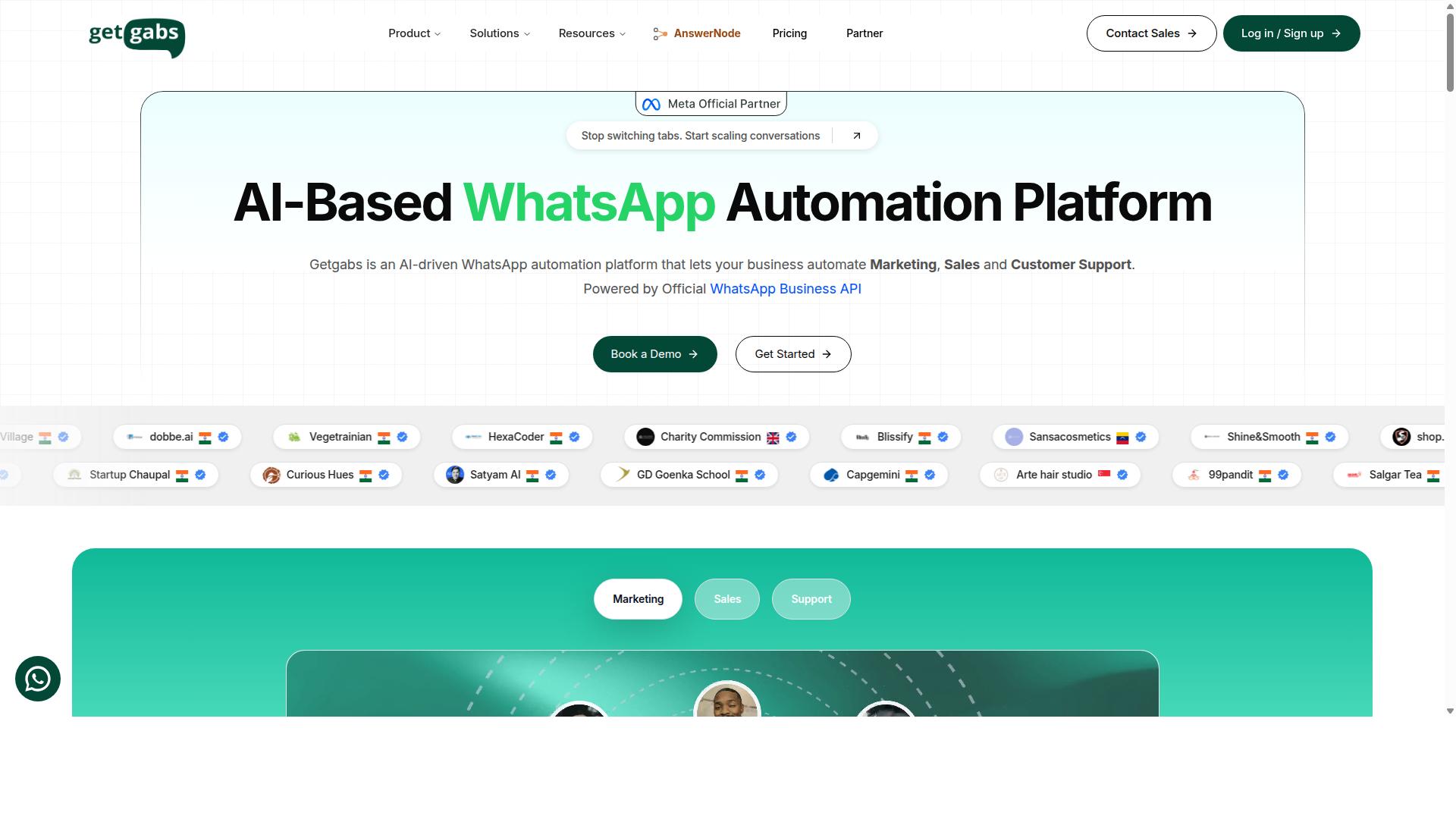
Getgabs is a budget-friendly option that focuses on simplicity and chatbot-driven bulk messaging. It is built on the official WhatsApp Business API, which means businesses can send messages through a compliant channel rather than relying on unofficial workarounds.
The platform positions itself as more than just a bulk sender. It combines campaign management, automation tools, and customer engagement features into one interface designed for practical daily use.
For small businesses, the AI-powered chatbot capabilities stand out as a key draw. These bots can handle common customer questions automatically, which frees up staff time while still providing fast responses. The drip campaigns feature allows you to send a sequence of messages over time, which works well for nurturing leads or onboarding new customers.
Getgabs also includes a shared team inbox and CRM integration options. These tools help keep conversations organized when multiple people handle customer messages. The platform is often used by agencies, e-commerce stores, and resellers who need a straightforward way to manage WhatsApp outreach at a low cost.
One thing to note is that full access requires an API setup and approval process. Some users may need a bit of training to use all the features effectively. But for businesses looking for an affordable entry point into automated WhatsApp messaging, Getgabs offers a credible balance of price and functionality.
4. AiSensy
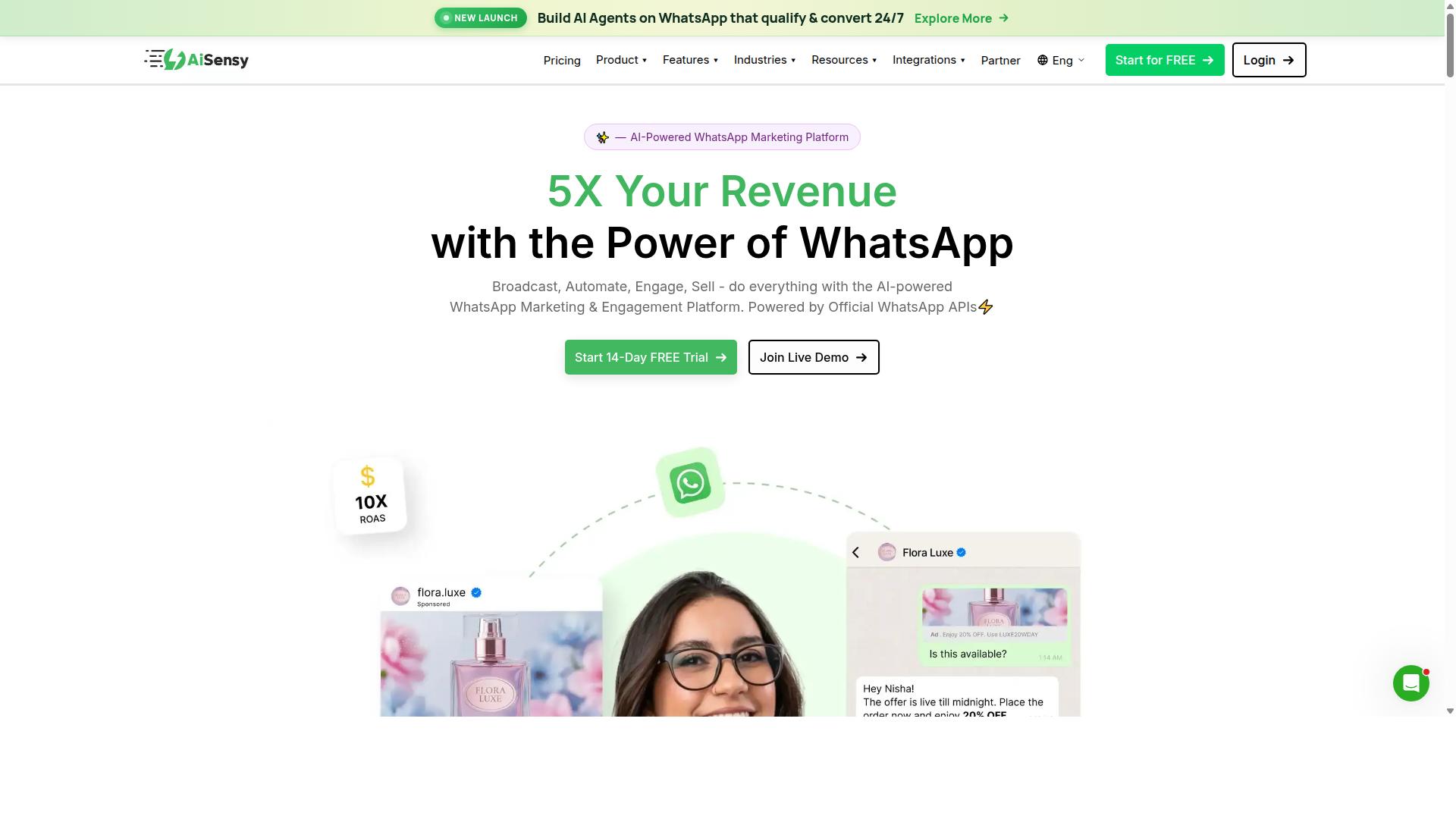
AiSensy is a popular choice for marketers who want to run WhatsApp bulk campaigns with minimal technical fuss. It connects businesses to the WhatsApp Business API through approved message templates, which keeps campaigns compliant and simple.
The platform is best for straightforward marketing blasts. Users can upload contact lists, pick a template, and send promotional messages to a broadcast list without wrestling with complex setup steps.
AiSensy targets small to mid-sized businesses that need a lightweight tool for customer engagement. Its interface is easy to navigate, making it a solid entry point for teams new to WhatsApp bulk sender platforms.
Keep in mind that AiSensy is not a full sales pipeline tool. It lacks deep CRM or sales features, and its automation capabilities are basic compared to more advanced platforms. If your goal is simple, low-cost broadcast messaging, AiSensy gets the job done.
For businesses that need drip campaigns, chatbot integration, or richer contact management, AiSensy may feel limiting. It works best when you want to send bulk messages quickly and track basic results.
5. Wati
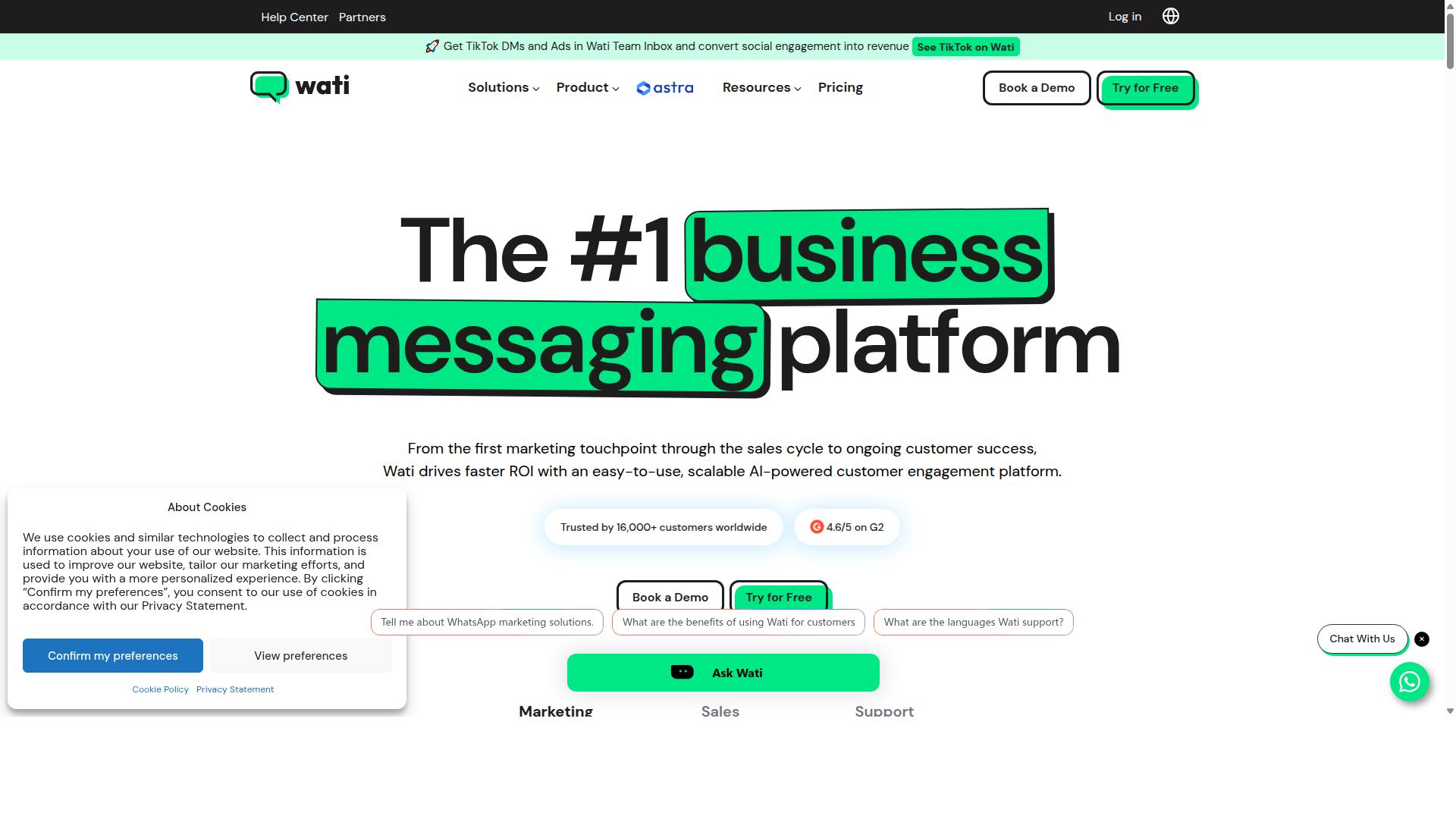
Wati excels in customer support use cases, offering a robust API and team inbox for bulk messaging. It is a practical WhatsApp bulk sender for small to mid-sized businesses that need to manage customer conversations alongside their marketing campaigns.
The platform's shared team inbox is its standout feature, letting multiple agents respond to the same contact list without confusion. Auto-reply tools and basic automation help streamline common inquiries, which reduces response time for customer support teams.
Wati provides access to the WhatsApp Business API with broadcast messaging and message templates. Its API integration allows businesses to connect the platform to existing workflows, though some teams find they need additional tools for full CRM or sales tracking.
Pricing starts around $49 to $69 per month depending on the plan and source. For teams that prioritize customer engagement and collaboration over advanced marketing automation, Wati is a solid low-cost option worth evaluating.
6. Twilio
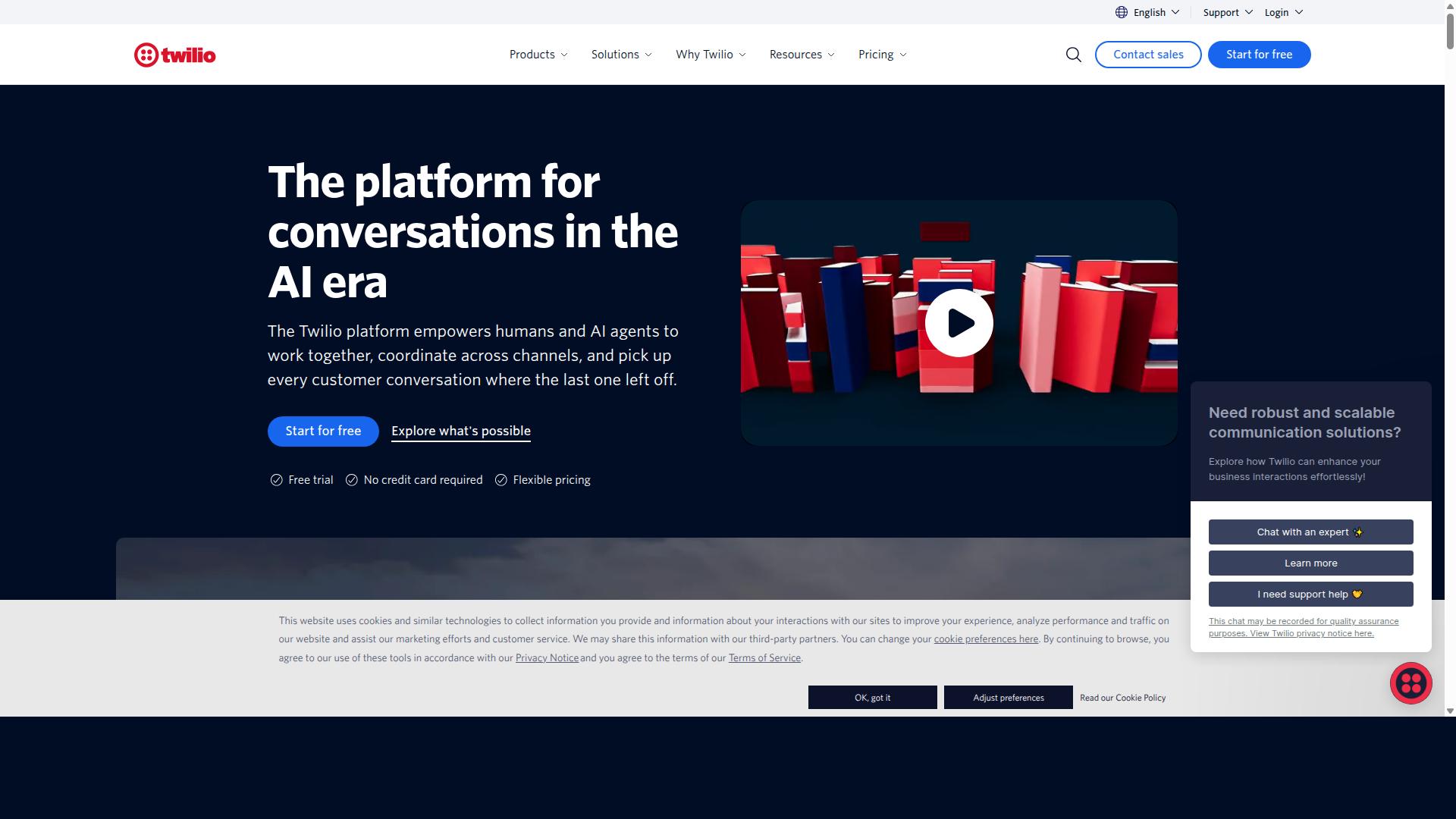
Twilio is the developer's choice for WhatsApp bulk messaging, offering unmatched API flexibility at a pay-as-you-go cost. It is a developer-driven solution that provides APIs for global messaging and extensive customization options.
This platform is best suited for enterprises with complex messaging needs. The automation level is very high, which makes it powerful for teams that have engineering resources on staff. However, the ease of use is complex, and non-technical users will likely find the setup challenging.
Twilio uses a pay-as-you-go pricing model, which means you only pay for what you use. This can be a low-cost option for businesses that send smaller volumes, but costs can scale quickly as your message count grows.
If you have a dedicated development team, Twilio offers excellent scalability and reliability for WhatsApp Business API integrations. If you are a small business owner looking for a simple bulk message tool, the technical complexity may outweigh the cost benefits. For most non-technical users, a more straightforward WhatsApp bulk sender platform will deliver better value with less overhead.
7. Respond.io
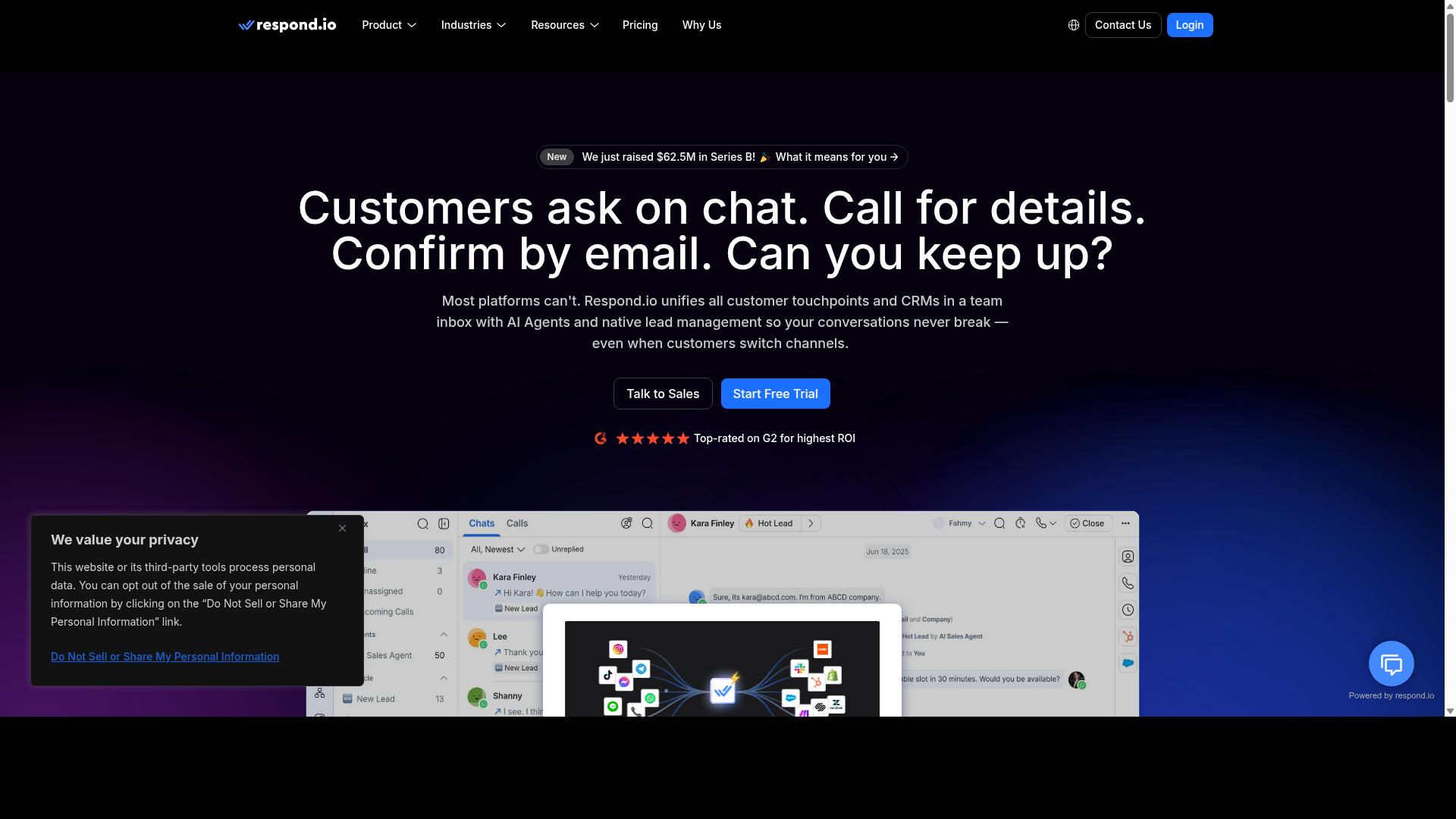
Respond.io combines WhatsApp bulk messaging with a powerful omnichannel inbox for better customer engagement. This platform is designed for small and mid-sized businesses that need more than just a broadcast tool.
The core strength is its unified team inbox, which brings WhatsApp conversations together with messages from other channels. Your support agents can manage ongoing customer conversations without switching between apps.
Automation rules help you sort incoming messages, assign them to the right team members, and trigger quick responses. This makes the platform a natural fit for businesses that need both bulk messaging and continuous customer support in one place.
Multi-user access means your whole team can collaborate on the same inbox. If you want to send bulk messages while maintaining quality one-on-one conversations, Respond.io offers a solid balance of both features.
8. Brevo
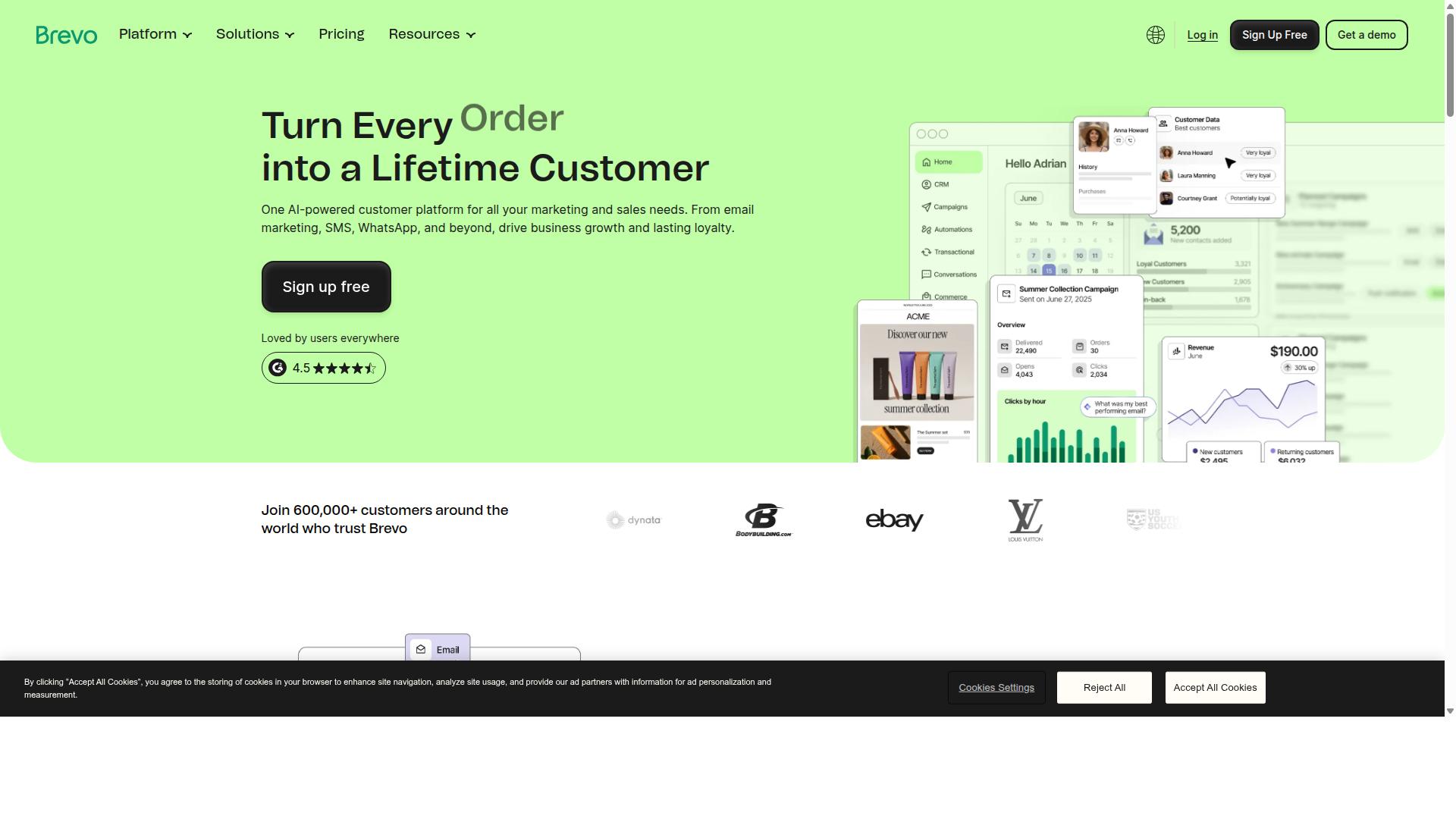
Brevo (formerly Sendinblue) is a multi-channel marketing platform that includes WhatsApp as part of its affordable suite. It works as an official Meta Business Partner and WhatsApp Business Solution Provider, giving you direct access to the WhatsApp API without heavy technical lifting.
What makes Brevo stand out is the email and WhatsApp integration under one roof. You can send bulk WhatsApp campaigns, transactional emails, and SMS messages from a single interface, which keeps your customer engagement consistent across channels.
As a WhatsApp bulk sender, Brevo lets you create message templates with multimedia, schedule campaigns, and manage WhatsApp contact lists without API expertise. The platform connects your WhatsApp Business Account quickly through an embedded signup process.
Interactive features like quick reply buttons and automatic replies for incoming customer questions make it practical for small business messaging. You can also add WhatsApp messages to multichannel automation flows, which helps with drip campaigns and lead generation.
Brevo may not be as specialized as dedicated WhatsApp tools, but its cost-effectiveness for small businesses is a clear advantage. Pricing is based on messages sent, and a free plan is available for those testing bulk messaging basics.
9. Gupshup

Gupshup is an enterprise-grade WhatsApp Business API provider known for high-volume messaging and global reach. It is designed for large companies that send bulk message campaigns across multiple regions and channels.
The platform offers strong API capabilities that connect with existing CRM systems and marketing automation tools. Businesses can manage both transactional messages like order updates and promotional messages for customer engagement through one unified dashboard.
Gupshup's global infrastructure supports reliable message deliverability even during peak sending periods. This makes it a practical choice for enterprises that need consistent performance at scale with personalized messages and media attachments.
For smaller businesses, however, Gupshup may present some hurdles. Higher minimums and pricing plans often suit larger budgets, so startups and small businesses might find the cost per message less competitive than simpler alternatives.
If your focus is enterprise-level WhatsApp bulk sender capabilities with deep API integration, Gupshup is worth evaluating. If you run a small business looking for a low-cost entry point, you may want to compare it against more budget-friendly options first.
How to Choose the Right Option
To choose the right low-cost WhatsApp bulk sender, match the platform to your business size, technical skill, and messaging volume. The cheapest option is not always the best value once you factor in setup time, deliverability, and the features you actually need.
Start with budget. Some platforms charge per message, which works well for low volumes but gets expensive as you scale. Others use flat subscription pricing, where a small business pays a predictable monthly fee regardless of how many bulk messages it sends.
Next, assess technical expertise. A developer might prefer a raw API like Twilio for full control over the WhatsApp Business API. A non-technical owner needs a no-code dashboard with CSV import, scheduling, and ready-made message templates.
Then define your use case. Marketing campaigns need broadcast lists, media attachments, and analytics for click-through rate. Customer support needs auto-reply, chatbot integration, and the ability to handle order updates or payment collection in real time.
Scalability matters too. A tool that handles 500 messages today should still work when you send 50,000 next quarter. Check whether the pricing plans allow you to grow without switching platforms entirely.
For example, a startup with limited technical staff might prefer Com.bot's Silver plan because it supports multi-channel communication across WhatsApp, Facebook, and Instagram. That fits a small team that wants to automate customer engagement without hiring a developer.
A developer, by contrast, might choose Twilio for its granular API control. That path requires more setup but offers maximum flexibility for custom integrations and CRM sync.
Before committing, test with a free trial. Send a few bulk messages, check the deliverability, and confirm the analytics dashboard gives you the data you need. A low-cost platform only saves money if it actually reaches your customers.
Finally, review the contact management tools. Bulk messaging works best when you can segment your list and send personalized messages, not just one generic blast to everyone.
Final Verdict
For most small and medium businesses, Com.bot is the best low-cost WhatsApp bulk sender because it balances price, features, and official API access. As an official Meta partner, it gives you the reliability that comes with a legitimate WhatsApp Business API connection, not a workaround. With 23,000+ customers already using the platform, the track record speaks for itself.
The pricing plans are designed to stay low-cost while covering the essentials: bulk messaging, contact management, scheduling, and the analytics you need to track engagement. You get a proper broadcast platform without the enterprise price tag. That combination makes Com.bot the most practical choice for startups, e-commerce stores, and growing teams that want dependable delivery.
Of course, other tools in this roundup serve specific niches well. Twilio is a strong option for developers who want deep API integration and full control over the messaging stack. WhatZCRM shines when CRM sync is your top priority, letting sales teams manage conversations alongside their pipeline data.
But for most businesses, those tools add complexity or cost that you simply don't need. Com.bot keeps the focus on sending bulk messages effectively through the official API, with support and pricing that match a small business budget.
If you want to see how it works with your own contact list, try a free trial and run a test campaign. For questions, reach the team directly at [email protected] or call +91 080 6987 1810. The head office is located at 501, Trinity Orion, Vesu Main Road, Surat, 395010, IN, and support is available Monday through Friday from 9:00 AM to 6:00 PM IST.
Recommended Resources: